
Bathtub Replacement in Rockford, IL
Updated
Short answer
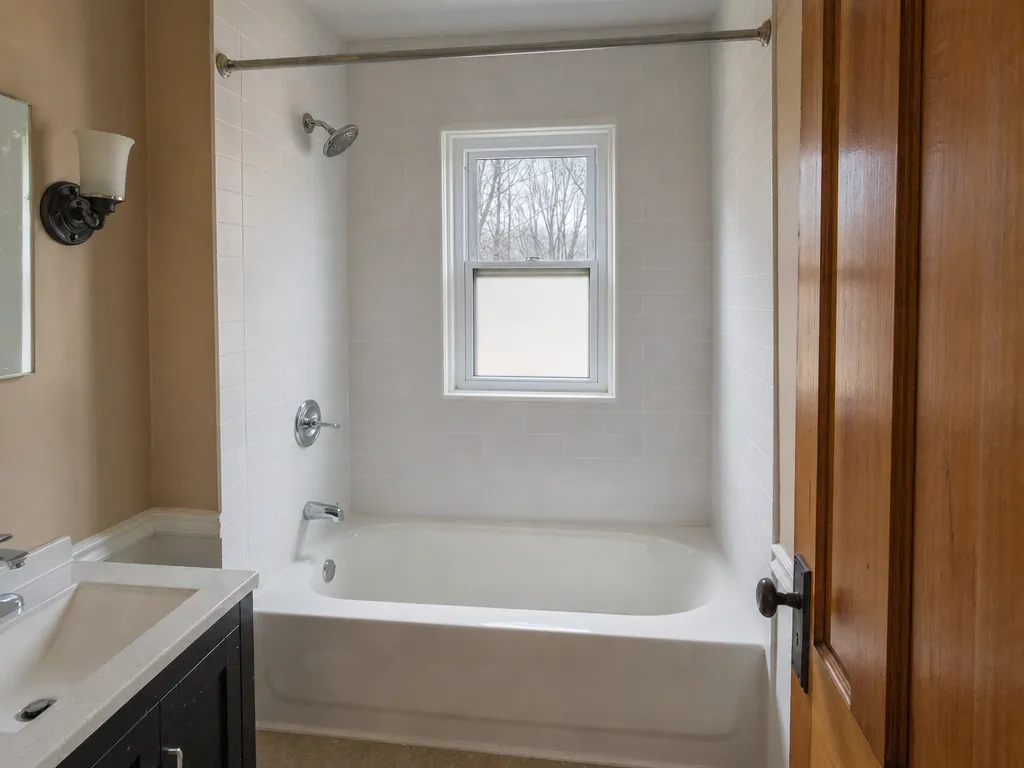
Why tubs get replaced instead of refinished
Refinishing puts a new coating on the old tub and is cheaper. Replacement makes sense when the tub is cracked, when the drain or the floor under it is bad, when you want a different size or a deeper tub, or when the surround has to come out anyway.
A lot of the tubs in Rockford houses are original. Rockford's median home dates from 1963, and 46.5% of the city's housing went up before 1960. That means a good number of cast iron tubs set into tiled walls. A cast iron tub weighs a lot and usually gets broken up to come out.
What it costs
Typical price, national
- Bathtub replacement: $2,104 to $9,756. Angi, bathtub replacement cost, updated October 20, 2026.
Angi says a basic swap can start around $220 for the tub alone and a high-end clawfoot can pass $15,000.
The tub is the cheap part. The surround, the valve and any floor repair are what move the number. A tub with a tiled surround means tearing out tile to free the tub flange, so the walls get redone too. The full table is on the cost page.
Alcove, soaking or freestanding
- Alcove tub: the standard 60-inch tub with three walls around it. Same size in, same size out keeps the price down.
- Soaking tub: deeper than standard. A deeper tub holds more water, so check that the water heater can fill it.
- Freestanding tub: sits on the floor away from the walls. It needs floor space and a floor-mounted or wall filler, which is a plumbing change. Usually part of a primary bathroom remodel.
- Walk-in tub: a door and a seat for people who struggle getting in and out. See the walk-in tubs page.
The valve and the shower over the tub
If the tub has a shower head, the valve has to meet the Illinois anti-scald rule when it is replaced. A tub replacement is the easiest time to change it.
Illinois anti-scald rule
“All shower compartments and shower-bath combinations shall be provided with an automatic safety water mixing device to prevent sudden unanticipated changes in water temperature or excessive water temperatures. ... The automatic safety water mixing device shall be adjusted to a maximum setting of 115 degrees Fahrenheit at the time of installation.”
Should you keep a tub at all
If this is the only tub in the house, think about resale before converting it. Many buyers with small kids want at least one. If there is another tub, a tub-to-shower conversion may serve you better.
What happens on the day
The water gets shut off and the drain, overflow and spout come off first. Then the surround comes down far enough to free the tub flange, and the old tub comes out whole or in pieces. With the tub gone, the floor under it gets a close look. Old tubs often hide a stained or soft subfloor near the drain, and that is the time to fix it, not after the new tub is set.
The new tub needs a level, solid bed. Acrylic and fiberglass tubs usually sit in a bed of mortar so they do not flex. The drain and overflow get connected and tested before any wall goes back up, because once the surround is on, the only way to that drain is through the ceiling below or an access panel. Ask whether there will be one.
Old houses and lead
Tearing out painted plaster or drywall around a tub in a house built before 1978 is covered by the federal lead rule.
EPA lead-safe rule
“In general, anyone paid to perform work that disturbs paint in housing and child-occupied facilities built before 1978 must be certified in lead-safe work practices. This includes all firms, even sole proprietorships.”
We reply with a written price that names the tub, the surround and the valve.
Sources: Angi, bathtub replacement cost; Illinois State Plumbing Code, 77 Ill. Adm. Code 890.690 (showers); U.S. EPA, Lead Renovation, Repair and Painting Program; U.S. Census Bureau, ACS 2020-2024 5-year, via Census Reporter
Where this is done
Bathtub Replacement across Winnebago County. Each town page has its own local rules and numbers; the rest are on the service area page.
Common questions
Bathtub Replacement: questions
How much does it cost to replace a bathtub?
Angi puts bathtub replacement at $2,104 to $9,756, with an average of $5,929, a national figure. The surround and valve move the price more than the tub. See the cost page.
Can you replace a bathtub without removing tile?
Rarely with a standard alcove tub, because the tile laps over the tub flange. Usually the bottom rows or the whole surround come out. Planning for new walls avoids a surprise.
Is it cheaper to refinish or replace a bathtub?
Refinishing is cheaper because only the surface changes. Replacement makes sense when the tub is cracked, the drain or floor is bad, or you want a different size or style.
How long does it take to replace a bathtub?
A same-size swap with a prefab surround can take a few working days. Tile walls, a valve change or floor repair add time. The how long does a remodel take guide covers it.
How do you get an old cast iron tub out?
Most are broken into pieces in place with a sledge, after the drain is disconnected and the room is covered. They are too heavy and too big for most bathroom doors.
Should I keep at least one bathtub in the house?
If the house might sell to a family with small children, many buyers look for one. If there is another tub in the house, converting this one is lower risk. The keep a tub for resale guide goes through it.
Other services
Bathtub Replacement in Winnebago County
Tell us which bathroom, roughly how big it is and what you want changed. We reply with a price first, and nothing starts until you agree to it.