
Lead Paint and Bathroom Remodels in Pre-1978 Homes
Updated
Short answer
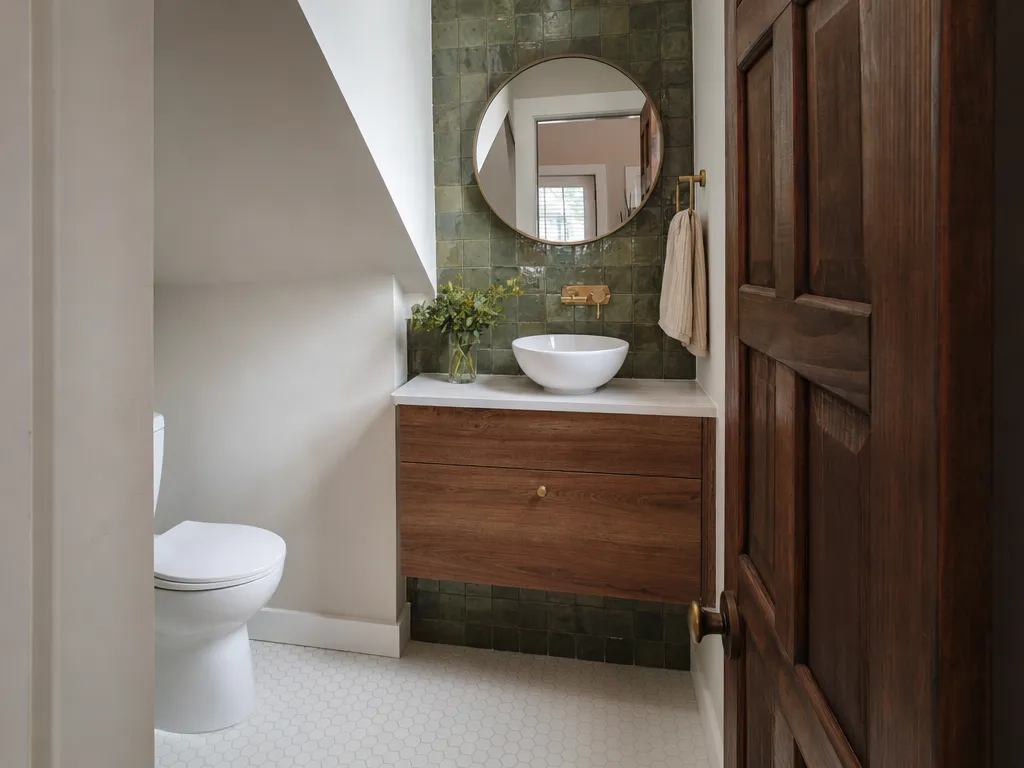
Most bathroom remodels start with tearing something out: a painted wall, a window casing, an old medicine cabinet set into plaster. In an older house, that is exactly the kind of work the federal lead rule was written for. Here is what it says, when it applies, and how common pre-1978 houses are around here. The remodel itself is covered on our small bathroom remodel page.
What the EPA rule says
The rule is the EPA Renovation, Repair and Painting Program, usually shortened to RRP. It applies to paid work, not to a homeowner working on their own house. It covers every size of business:
Who has to be certified
“In general, anyone paid to perform work that disturbs paint in housing and child-occupied facilities built before 1978 must be certified in lead-safe work practices. This includes all firms, even sole proprietorships.”
The EPA lists plumbing, electrical, general remodeling and window replacement among the jobs that can disturb paint. A bathroom remodel tends to hit all four.
The small-job exception, and its limits
What is exempt
“Minor repair and maintenance activities that disturb six square feet or less of paint per room inside, or 20 square feet or less on the exterior of a home or building. (Note: Window replacement and demolition of painted surfaces are always covered regardless of square footage.)”
Six square feet is about the size of a medicine cabinet opening plus a patch around it. Swapping a faucet or a toilet in place usually disturbs no paint at all. But a full gut, a tub-to-shower conversion that opens the wall, or a new window over the tub goes well past that line. Demolishing a painted surface is covered at any size, so pulling down a painted plaster wall counts even if it is a small one.
How many homes here are old enough
The Census does not publish a 1978 cutoff. Its year-built table groups homes by decade, so the nearest bucket is “built 1979 or earlier,” one year wider than the EPA line. Read the shares below as a close stand-in, not an exact count.
Across Winnebago County, 63.4% of housing units were built before 1980 and the median home was built in 1971. In the City of Rockford the share is 74.3% and the median year is 1963. The town with the largest share built before 1960 is Pecatonica, at 51.3%. In newer places like Roscoe, where 52.6% of homes were built in 2000 or later, the rule comes up far less often.
| Place | Median year built | Built before 1960 | Built before 1980 | Owners 65 or older |
|---|---|---|---|---|
| Pecatonica | 1959 | 51.3% | 78.5% | 26.4% |
| Rockford | 1963 | 46.5% | 74.3% | 35.2% |
| Durand | 1974 | 28.1% | 64.7% | 37.4% |
| Machesney Park | 1978 | 22.6% | 54.4% | 33.6% |
| New Milford | 1984 | 28.2% | 44.9% | 19.7% |
| Winnebago | 1985 | 23.7% | 43.6% | 35.2% |
| Loves Park | 1986 | 20.2% | 41.7% | 37.1% |
| Argylesmall sample | 1986 | 0% | 19.1% | 52.5% |
| Lake Summerset | 1988 | 3.3% | 32% | 57.9% |
| South Beloit | 1991 | 23.4% | 40.9% | 23.4% |
| Rockton | 1996 | 14.7% | 23.2% | 20.7% |
| Cherry Valley | 1997 | 15.1% | 21.2% | 31.6% |
| Roscoe | 2001 | 3.2% | 9.1% | 31.3% |
| Westlake Village | 2004 | 0% | 0% | 22.7% |
Source: U.S. Census Bureau, ACS 2020-2024 5-year, via Census Reporter, share of housing units by year built (B25034, B25035) and share of owner households whose householder is 65 or older (B25007). Medians cannot be summed, so unincorporated Winnebago County is not in the table.
A 1950s ranch with its original tile bath, or a 1920s bungalow with painted plaster and wood trim, is the classic case. If you are not sure when your house was built, the township assessor's record lists it.
What lead-safe work looks like on a bathroom job
The EPA rule is about how the work is done, not about stopping it. A certified firm contains the work area, keeps dust from spreading into the rest of the house, and cleans up in a set way before the room is reopened. On a small bathroom that mostly means plastic sheeting, a sealed doorway, and careful cleanup at the end of demolition. It adds some time and some cost, which is one reason two quotes for the same old bathroom can differ.
If a quote on an older house says nothing about lead, ask. A firm that does this work should be able to tell you whether your job falls under the rule and how they handle it.
Questions to ask before demolition starts
- When was the house built, and does the job disturb more than 6 square feet of paint in the room?
- Is the window being replaced or the painted wall being demolished? Both are always covered.
- Is the firm doing the work EPA certified, and will it show you the certificate?
- How will dust be kept out of the hallway and the rest of the house?
Lead is one of several things that come up once the walls are open. For the order a remodel usually runs in, see the order of work in a bathroom remodel, and for the permit side, bathroom remodel permits in Rockford.
Quick answers
Does the lead paint rule apply to a bathroom remodel?
It applies when someone is paid to disturb paint in a home built before 1978 and the job goes past the small-job exception. A full gut, an opened shower wall or a replaced window all count.
What is the 6 square foot rule for lead paint?
Indoor work that disturbs 6 square feet of paint or less per room is exempt from the EPA lead-safe rule. Window replacement and demolition of painted surfaces are covered at any size.
Can I remodel my own bathroom in an older house without lead certification?
The EPA certification rule covers people who are paid to do the work, so it does not apply to a homeowner working on their own house. The dust is just as real either way, so the same containment habits are worth copying.
How do I know if my Rockford house was built before 1978?
The year built is on the township assessor's property record. Census data puts the City of Rockford's median year built at 1963, so many houses in the city are older than the cutoff.
Planning a bathroom?
Tell us which bathroom, what you want changed and anything you have noticed. We reply with a price first.