
What order does a bathroom remodel go in?
Updated
Short answer
Part of Tile Showers and Bathroom Tile.
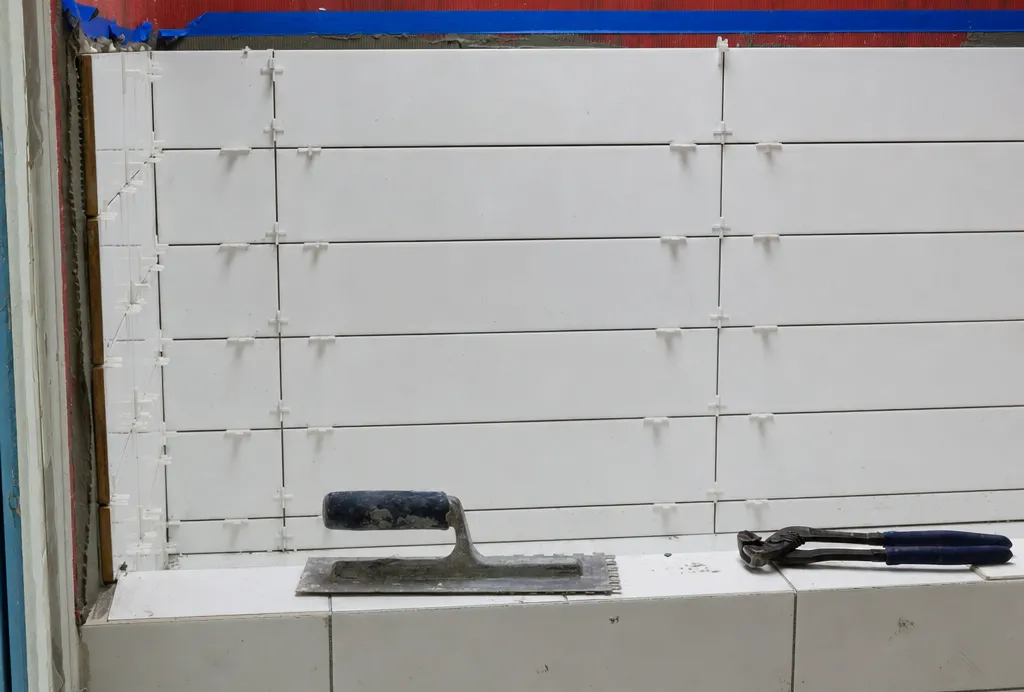
The order matters because almost every step hides the one before it. Once tile is on the wall, nobody sees the valve behind it again without breaking the tile. That is why inspections happen in the middle of the job and why waterproofing comes before tile, not after. Tile work is where most of the steps stack up, so the tile shower page is the related service.
1. Plan, measure and permit
Decide the layout first: whether the toilet, tub or shower and sink stay where they are. Keeping fixtures in place is the biggest single way to keep the job simpler, because moving a fixture three feet or more runs $500 to $1,000 (Angi, cost to run new bathroom plumbing, national, updated September 22, 2026) on its own. Then apply for the permit if the job needs one. The permit guide covers each town.
If you are converting a tub to a shower, check the size now. Illinois sets a minimum shower floor of 1,024 square inches with no side under 32 inches; the shower size guide shows what that means in a tub alcove.
2. Demolition
The old fixtures, tile, drywall and flooring come out. Angi puts demolition at $1,000 to $2,300 (Angi, bathroom remodel cost, national, updated October 27, 2026). In a house built before 1978, a paid crew that disturbs painted surfaces has to work lead-safe, and demolition of painted surfaces is always covered by the rule.
The EPA lead rule and demolition
“Minor repair and maintenance activities that disturb six square feet or less of paint per room inside, or 20 square feet or less on the exterior of a home or building. (Note: Window replacement and demolition of painted surfaces are always covered regardless of square footage.)”
3. Framing and subfloor repair
With the room open, any water damage shows. Soft subfloor around a toilet or under a tub gets cut out and replaced now. This is also the time to add blocking in the walls for grab bars or a heavy vanity, which costs almost nothing with the studs open and a lot later.
4. Rough-in plumbing and electrical
New drains, supply lines and the shower valve go in, and so does any new wiring: outlets, lights, a fan, a heated floor. Every new shower valve in Illinois has to be an anti-scald valve.
Illinois State Plumbing Code
“All shower compartments and shower-bath combinations shall be provided with an automatic safety water mixing device to prevent sudden unanticipated changes in water temperature or excessive water temperatures. ... The automatic safety water mixing device shall be adjusted to a maximum setting of 115 degrees Fahrenheit at the time of installation.”
5. Inspection
The rough work is inspected before the walls close. In Rockford the permit has to be posted where it can be seen from the street or at the main entrance, and inspections are requested one full business day ahead. Nothing gets covered until the inspection passes.
6. Close the walls and waterproof
Cement board or another tile backer goes on in wet areas, drywall elsewhere. A built-up shower gets its pan, and the code is specific about it.
Shower pans and walls
“All sides of the shower pan shall turn up at least 2 inches above the finished shower floor level. ... Shower walls shall be constructed of durable, smooth, non-absorbent, non-corrosive and waterproof materials”
The waterproofing is the step people never see and the one that decides whether the shower lasts. It goes on before tile, and a good crew lets it cure before setting anything on it.
7. Tile
Shower walls and the floor are tiled, then grouted. Angi puts shower tile at $2 to $17 per sq ft (Angi, walk-in shower cost, national, updated October 30, 2026) for the tile itself, and a tiled floor at $10 to $50 per sq ft (Angi, bathroom remodel cost, national, updated October 27, 2026) installed. The acrylic versus tile guide covers when a panel system makes more sense.
8. Paint, then fixtures
Paint goes on before the vanity and toilet so nobody has to cut in around them. Then the vanity, top and faucet go in, the toilet is set, the shower trim and glass are installed, and the fan and lights are finished. Angi puts a vanity installed, with the vanity, at $400 to $2,200 (Angi, vanity installation cost, national, updated September 11, 2026), and a toilet install at $224 to $533 (Angi, toilet installation cost, national, updated May 30, 2026) for labor.
9. Final inspection and walkthrough
A permitted job gets a final inspection. Then walk the room with the contractor: run the shower hot and check that it stops at a safe temperature, flush the toilet, fill the sink and watch the drain, and check the caulk lines. Hold the final payment until the punch list is done.
Costs, all in one place
Every price above is a national figure from a named cost guide. The bathroom remodel cost page puts them together by job.
Sources: Angi, cost to run new bathroom plumbing; Angi, bathroom remodel cost; Angi, walk-in shower cost; Angi, vanity installation cost; Angi, toilet installation cost; Illinois State Plumbing Code, 77 Ill. Adm. Code 890.690 (showers); U.S. EPA, RRP rule for contractors; City of Rockford, Building Permits
Quick answers
What comes first in a bathroom remodel, tile or vanity?
Tile and paint come first, then the vanity and toilet. Setting fixtures last keeps them from being damaged and avoids cutting tile or paint around them.
Is drywall put up before rough-in plumbing?
No. Rough-in plumbing and wiring go in with the walls open, they get inspected, and only then do the walls close with backer board and drywall.
When does the inspection happen in a bathroom remodel?
After rough-in and before the walls close, plus a final inspection at the end. In Rockford, inspections are requested one full business day ahead.
Why does waterproofing go before tile?
Grout and tile are not waterproof on their own. The Illinois Plumbing Code requires a shower pan turned up at least 2 inches and waterproof walls, and that layer has to be under the tile.
What is the most expensive step in a bathroom remodel?
Labor across the whole job, which Angi counts at 40% to 65% of the total, and any step that moves plumbing. Moving a fixture 3 feet or more runs $500 to $1,000 on its own (Angi, national). More on the cost page.
Planning a bathroom?
Tell us which bathroom, what you want changed and anything you have noticed. We reply with a price first.